
The Easy Part about Living at a Monastery

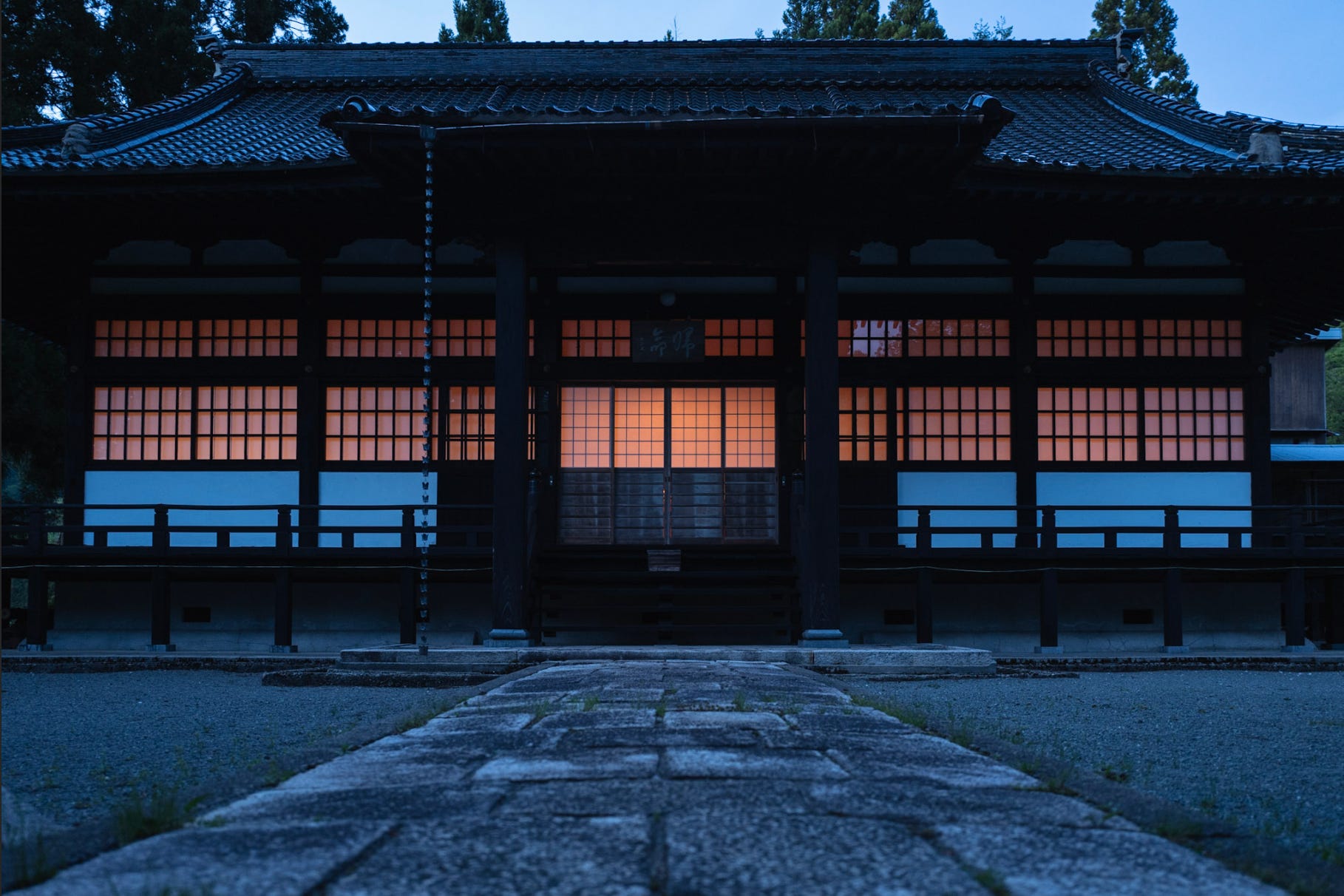
Recently someone asked if I came to Antaiji to escape from something.
It’s a fair question. Some people do come here to run away from what they fear.
Or they come hoping to attain a transcendental wisdom which will allow them to waltz through the rest of life unfazed, impervious to all the ghouls that haunt them.
These people quickly leave.
A monastery is not a good place for escapism.
If you’re the independent type, who prizes freedom and self-autonomy, you’ll find yourself nestled within a small community, adhering to strict routines, spending almost every hour (sleep included, since you’re sharing a room) alongside the same people day-after-day, year-after-year.
Here, air for the individual is thin, personal time and space, scant.
On the other hand, if you lean on the dependent side and feel more comfortable with connection than solitude, get ready to plumb new depths of loneliness as you find yourself removed from family, friends, and all that was familiar.
There’s plenty of time to contemplate just how isolated you are during the long hours of menial labour and while sitting zazen - as you silently look at a wall, left alone with the pain in your legs and whatever mental hell-hole your mind has expertly engineered.
I’m being dramatic but the point is, whatever you’re running from will find you here.
And when it does, there’s not much to hide behind.
“It’s a terrible mistake to take shelter at Antaiji; it’s like trying to relax in the shade under a patch of grass.”
Past abbott Uchiyama Roshi
So did I come here to escape from something?
For sure.
There are things I’m trying (and failing) to avoid, like the struggles that come with intimate relationships, or that eerie feeling of not connecting fully with life.
And there are benefits I’m hoping to get, whether it’s practical permaculture knowledge or how this time may bolster my future career as a clinical psychologist.
Plus plenty more. Pettier, too.
But far outweighing these hopes and fears is the sincere desire to stop running away - to stop being dragged around by the incessant stream of likes and dislikes - and a monastery is a good place to practice this.
Not that you need to go to a monastery.
I think most people have a sense that turning toward what they’d usually avoid is a worthwhile process. As you become comfortable, or at least OK with, what you find uncomfortable, you grow to hold more of life.
Practising this in regular society just takes more intention and courage because there are so many allures to hide behind.
In a monastery there are fewer, and you’re confronted in unfamiliar ways.
This makes it easy to embrace the present moment, as hard as it often is.